
Electric Guitar Tuner Online –
How to Tune an Electric Guitar
Learning how to tune an electric guitar is one of the first skills every guitarist must master. Proper tuning ensures that chords sound correct and melodies remain in harmony. The standard electric guitar tuning is E A D G B E, starting from the lowest string to the highest.
Using an online electric guitar tuner makes this process easier because the tool listens to each string through your microphone and shows whether the note is sharp or flat. Simply adjust the tuning pegs until the tuner indicates the correct pitch. Practicing this process regularly will help you quickly tune your instrument before practice sessions or performances.
Standard Stratocaster Guitar Tuning Explained
Standard electric guitar tuning is the most widely used tuning method for both electric and acoustic guitars. The strings are tuned to E, A, D, G, B, and E, creating a balanced range of tones that works well for most music styles.
Understanding standard tuning helps beginners learn electric chord shapes, scales, and songs more easily. Once you become comfortable with standard tuning, you can start exploring alternate tunings that create unique sounds and musical textures.
Using a reliable online tuner ensures your guitar stays perfectly tuned every time you play.
Electric Guitar Tuning by Ear
While online tuners are convenient, many musicians eventually learn to tune their guitars by ear. This method involves listening carefully to each string and adjusting it until it matches the correct pitch.
A common technique is the 5th fret tuning method, where one string is matched to another. This approach helps develop your musical ear and improves your ability to recognize pitch differences.
Even experienced players often double-check their tuning using an online tuner to ensure perfect accuracy.
balanced bass tone.
Rock Electric Guitar String Names and Notes
Every guitar string has a specific name and note. From lowest to highest, the strings are E, A, D, G, B, and E. Remembering these names is important because they help you tune the rock electric guitar correctly and understand chord diagrams.
Many beginners use memory tricks like “Eddie Ate Dynamite Good Bye Eddie” to remember the string order.
Knowing the names of the strings also helps when following tuning guides and instructional videos.


Introduction to Electric Guitar Tuner Online
Electric Guitar Tuner Online is a free web-based tool designed to help musicians tune their instruments quickly, accurately, and conveniently. Whether you are playing electric guitar, acoustic guitar, bass guitar, or ukulele, proper tuning is essential for producing clear, professional sound. Our website provides an easy-to-use online tuner along with helpful video tutorials and guides to make the tuning process simple for musicians of all skill levels.
Many beginners struggle with tuning their instruments correctly, which can lead to frustration and poor sound quality. Even experienced musicians need reliable tools to ensure their instruments remain perfectly tuned before practice sessions, recording, or live performances. Electric Guitar Tuner Online solves this problem by offering a powerful tuning tool that works directly in your browser without requiring downloads or additional hardware.
By combining modern audio detection technology with educational resources, Electric Guitar Tuner Online helps musicians tune their instruments with confidence. Whether you are learning your first chords or performing on stage, proper tuning is the foundation of great music.
Why Proper Rock Guitar Tuning Matters
Tuning an instrument may seem like a simple step, but it has a major impact on the quality of your music. When instruments are properly tuned, chords sound harmonious, melodies blend smoothly, and musical arrangements feel balanced. On the other hand, even a slightly out-of-tune instrument can make an entire performance sound incorrect.
For guitar players, tuning affects everything from chord clarity to lead guitar tone. Bass players rely on accurate tuning to maintain the rhythm and low-end foundation of a band. Ukulele players depend on precise tuning to maintain the bright and cheerful tone that defines the instrument.
Proper tuning also helps musicians develop their ear for pitch and harmony. Over time, regular tuning practice improves your ability to recognize notes and understand how different tones interact with each other. This skill becomes extremely valuable when learning new songs, composing music, or performing with other musicians.
Electric Guitar Tuner Online helps ensure that every musician has access to accurate tuning tools so their music always sounds its best.
How an Online Guitar Tuner Works for electric guitar with pickups
An online guitar tuner uses your device’s microphone to detect the sound produced by your instrument. When you play a string, the tuner analyzes the sound frequency and determines whether the note is sharp, flat, or perfectly in tune.
The process works in three simple steps:
Allow microphone access in your browser.
Play one string at a time on your instrument.
Adjust the tuning peg until the tuner shows the correct pitch.
This technology uses real-time pitch detection algorithms to identify the frequency of the sound. Each musical note corresponds to a specific frequency measured in Hertz (Hz). When the tuner detects a frequency that matches the correct note, it indicates that the string is properly tuned.
Online tuners have become increasingly popular because they eliminate the need for physical tuners or smartphone apps. As long as you have internet access and a microphone, you can tune your instrument anywhere.
Standard Electric Guitar Tuning
The most common tuning for electric guitars is known as standard tuning for an electric guitar. In this tuning, the six guitar strings are tuned to the following notes:
E – A – D – G – B – E
The lowest string (the thickest) is tuned to low E, while the highest string (the thinnest) is tuned to high E. This tuning provides a balanced range of notes that works well for most music genres, including rock, pop, blues, country, jazz, and metal.
Standard tuning also makes it easier to learn chord shapes and scales because most guitar lessons and tutorials are designed around this tuning system.
When tuning your guitar using Electric Guitar Tuner Online, simply play each string and adjust the tuning peg until the tuner shows the correct note. By following this method, you can quickly achieve perfect tuning.
Maintaining Tuning Stability
Proper instrument maintenance helps keep your instrument in tune longer. One important factor is replacing old strings regularly. Worn-out strings lose their ability to maintain consistent tension.
Cleaning your strings and fretboard also helps maintain sound quality and tuning stability.
Another important tip is storing your instrument in a stable environment. Avoid exposing guitars to extreme heat, cold, or humidity.
Taking care of your electric guitar ensures better tuning accuracy and longer lifespan.
How Often Should You Tune Your electric guitar
Most musicians tune their instruments before every practice session. Even if the instrument was tuned earlier in the day, slight pitch changes can occur.
Professional musicians often check tuning multiple times during rehearsals and performances.
Developing the habit of tuning regularly ensures your music always sounds clean and professional.
The Future of Online Music Tools
Technology has made music tools more accessible than ever. Online tuners, virtual instruments, and digital recording platforms allow musicians to practice and create music from anywhere.
Web-based tuners continue to improve with better pitch detection, faster response times, and more accurate tuning capabilities.
Electric Guitar Tuner Online represents the future of simple, accessible music tools that help musicians focus on creativity instead of technical difficulties.
Why Electric Guitars Go Out of Tune
Electric guitars naturally go out of tune over time for several reasons. Changes in temperature and humidity can affect the wood and strings, causing pitch changes.
New strings also stretch after installation, which means they need to be tuned frequently during the first few days of use.
Playing aggressively, bending strings, or transporting your guitar can also cause tuning changes. Checking your tuning regularly with an online tuner helps maintain consistent sound quality.
Electric Guitar Tuning for Beginners
For beginners, tuning can seem confusing at first. However, with a simple online tuner and a few minutes of practice, it becomes very easy.
Start by playing one string at a time and watching the tuner display. If the note is too low, tighten the string slightly. If the note is too high, loosen the string carefully.
Patience is key when learning how to tune your guitar properly.
Drop D Guitar Tuning
Drop D tuning is a popular alternate tuning used in rock, metal, and acoustic music. In this tuning, the lowest string is lowered from E to D, resulting in D A D G B E.
This tuning makes power chords easier to play and creates a deeper sound. Many guitarists use Drop D tuning to write heavier riffs and experiment with new chord shapes.
Using an online tuner allows you to switch between standard tuning and Drop D quickly.
Open Guitar Tunings
Open tunings allow the guitar to produce a full chord when all strings are played open. Popular open tunings include Open G, Open D, and Open C.
These tunings are commonly used in blues, folk, and slide guitar styles. Open tunings create rich, resonant sounds and allow for creative chord variations.
Our website provides tuning guides and videos to help players experiment with different open tunings.
Guitar Tuning for Live Performances
Before performing live, musicians always check their tuning to ensure every note sounds correct. Even small tuning issues can become noticeable during a performance.
Using a fast and accurate tuner helps musicians tune their guitars quickly between songs or before going on stage.
Practicing good tuning habits ensures your music sounds professional in every performance.
How Often Should You Tune Your Electric Guitar
Most musicians tune their guitars every time they play. Even if the guitar was tuned earlier in the day, small pitch changes can occur.
Temperature changes, playing intensity, and string condition all affect tuning stability. Professional musicians often check tuning several times during rehearsals and performances.
Using a quick online tuner makes frequent tuning fast and convenient.
Choosing the Right electric Guitar Strings
The type of strings you use can affect tuning stability and sound quality. Electric guitar strings come in different gauges, from light to heavy.
Lighter strings are easier to bend and play, while heavier strings provide a fuller tone. Choosing the right strings depends on your playing style and comfort.
Fresh strings also help maintain better tuning accuracy.
Electric Guitar Maintenance and Tuning Stability
Proper guitar maintenance helps keep your instrument in tune. Cleaning the strings, maintaining the nut and bridge, and replacing old strings all contribute to tuning stability.
Storing your guitar in a stable temperature environment can also prevent tuning problems caused by humidity changes.
Regular care keeps your guitar sounding its best.
Online Tuner vs Clip-On Tuner
Many musicians use clip-on tuners, but online tuners are becoming increasingly popular. Online tuners work through your device’s microphone and display real-time pitch information.
The main advantage of an online tuner is convenience. You don’t need to carry extra equipment or install apps.
With a reliable internet connection, you can tune your instrument anytime.
Guitar Practice Tips for Beginners
Consistent practice is the key to improving your guitar skills. Start with simple chords, practice scales, and gradually learn songs.
Always begin your practice session by tuning your guitar to ensure your playing sounds correct.
Combining good practice habits with proper tuning helps beginners progress faster.
Benefits of Using an Online Instrument Tuner
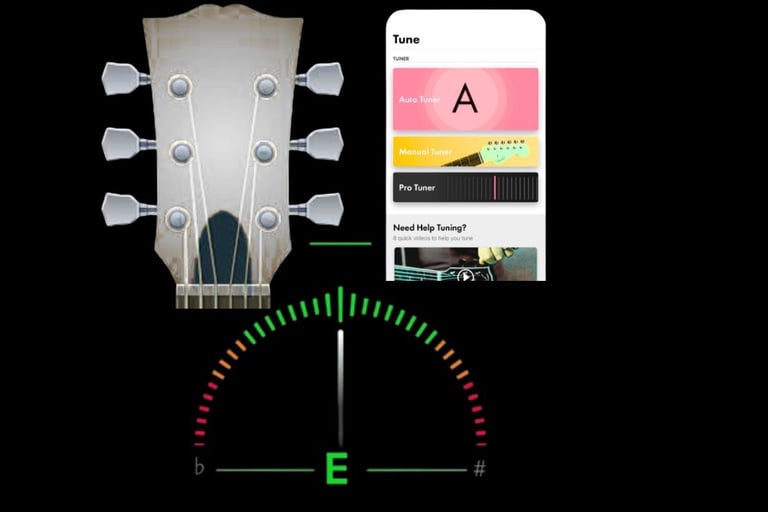
Online instrument tuners offer many advantages compared to traditional tuning methods for electric guitars. One of the biggest benefits is convenience. Instead of carrying a physical tuner, you can access a tuning tool directly from your phone, tablet, or computer.
Another advantage is accessibility. Beginners often find online tuners easier to use because they provide clear visual feedback that shows whether the note is sharp or flat.
Online tuners also support multiple instruments, allowing musicians to tune guitars, basses, ukuleles, and other string instruments using a single tool.
Electric Guitar Tuner Online combines convenience, accuracy, and simplicity to create a powerful tuning solution for musicians everywhere.
Common Reasons Instruments Go Out of Tune
Even high-quality instruments can go out of tune for many reasons. One of the most common causes is string stretching. When new strings are installed, they gradually stretch as they are played, causing the pitch to change.
Temperature and humidity also affect tuning stability. Changes in environmental conditions can cause the wood of the instrument to expand or contract slightly, which alters string tension.
Frequent playing, string bending, and transportation can also impact tuning. Musicians who travel with their instruments or perform regularly often need to tune their instruments more frequently.
Checking your tuning before every practice session or performance helps prevent these issues.
Guitar Tuning Tips for Beginners
If you are new to play a rocking electric guitar, tuning may feel confusing at first. However, with practice and the right tools, it becomes simple and routine.
Start by tuning one string at a time. Pay attention to the tuner display and adjust the tuning peg slowly until the note reaches the correct pitch.
Avoid turning the tuning peg too quickly because this can cause the string to overshoot the correct note. Small adjustments work best.
Practicing tuning regularly will also help you develop a better understanding of pitch and sound.
Alternate Guitar Tunings
While standard tuning is the most common, many guitarists explore alternate tunings to create unique sounds. Alternate tunings change the pitch of one or more strings, allowing new chord shapes and tonal possibilities.
Some popular alternate tunings include:
Drop D tuning
Open G tuning
Open D tuning
DADGAD tuning
These tunings are often used in blues, folk, rock, and experimental music styles.
Using an online tuner makes it easy to switch between different tuning systems.
What are you waiting for? tune that electric!
Guitars naturally go out of tune over time for several reasons. Changes in temperature and humidity can affect the wood and strings, causing pitch changes.
New strings also stretch after installation, which means they need to be tuned frequently during the first few days of use.
Playing aggressively, bending strings, or transporting your guitar can also cause tuning changes. Checking your tuning regularly with an online tuner helps maintain consistent sound quality.
Guitar Tuning for Beginners
For beginners, tuning can seem confusing at first. However, with a simple online tuner and a few minutes of practice, it becomes very easy.
Start by playing one string at a time and watching the tuner display. If the note is too low, tighten the string slightly. If the note is too high, loosen the string carefully.
Patience is key when learning how to tune your guitar properly.
Drop D Guitar Tuning
Drop D tuning is a popular alternate tuning used in rock, metal, and acoustic music. In this tuning, the lowest string is lowered from E to D, resulting in D A D G B E.
This tuning makes power chords easier to play and creates a deeper sound. Many guitarists use Drop D tuning to write heavier riffs and experiment with new chord shapes.
Using an online tuner allows you to switch between standard tuning and Drop D quickly.
Open Guitar Tunings
Open tunings allow the guitar to produce a full chord when all strings are played open. Popular open tunings include Open G, Open D, and Open C.
These tunings are commonly used in blues, folk, and slide guitar styles. Open tunings create rich, resonant sounds and allow for creative chord variations.
Our website provides tuning guides and videos to help players experiment with different open tunings.
Guitar Tuning for Live Performances
Before performing live, musicians always check their tuning to ensure every note sounds correct. Even small tuning issues can become noticeable during a performance.
Using a fast and accurate tuner helps musicians tune their guitars quickly between songs or before going on stage.
Practicing good tuning habits ensures your music sounds professional in every performance.
How Often Should You Tune Your Guitar
Most musicians tune their guitars every time they play. Even if the guitar was tuned earlier in the day, small pitch changes can occur.
Temperature changes, playing intensity, and string condition all affect tuning stability. Professional musicians often check tuning several times during rehearsals and performances.
Using a quick online tuner makes frequent tuning fast and convenient.
Choosing the Right Guitar Strings
The type of strings you use can affect tuning stability and sound quality. Electric guitar strings come in different gauges, from light to heavy.
Lighter strings are easier to bend and play, while heavier strings provide a fuller tone. Choosing the right strings depends on your playing style and comfort.
Fresh strings also help maintain better tuning accuracy.
Guitar Maintenance and Tuning Stability
Proper guitar maintenance helps keep your instrument in tune. Cleaning the strings, maintaining the nut and bridge, and replacing old strings all contribute to tuning stability.
Storing your guitar in a stable temperature environment can also prevent tuning problems caused by humidity changes.
Regular care keeps your guitar sounding its best.
Online Tuner vs Clip-On Tuner
Many musicians use clip-on tuners, but online tuners are becoming increasingly popular. Online tuners work through your device’s microphone and display real-time pitch information.
The main advantage of an online tuner is convenience. You don’t need to carry extra equipment or install apps.
With a reliable internet connection, you can tune your instrument anytime.
Guitar Practice Tips for Beginners
Consistent practice is the key to improving your guitar skills. Start with simple chords, practice scales, and gradually learn songs.
Always begin your practice session by tuning your guitar to ensure your playing sounds correct.
Combining good practice habits with proper tuning helps beginners progress faster.
Learning Multiple Instruments
Many musicians enjoy learning multiple instruments like guitar, bass, and ukulele. Each instrument has its own tuning system and playing style.
Understanding how to tune each instrument properly allows you to switch between them easily.
Our website provides tuning tools and guides for all three instruments.